
Military GNSS Anti-Jamming Systems - Market and Technology Forecast to 2034
Market forecast by Region, Domain, and Lifecycle Phase. Country and Programme Analysis, Market and Technology Overview, Opportunity Analysis, and Leading Company Profiles
Market forecast by Region, Lift Class and Orbit Destination. Country and Programme Analysis, Market and Technology Overview, Opportunity Analysis, and Leading Company Profiles
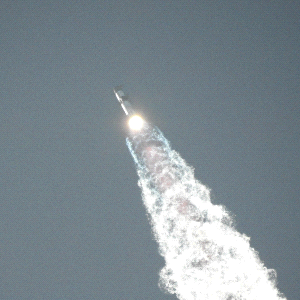
The economics of leaving Earth have fundamentally changed. What was once a prohibitively expensive, state-exclusive endeavour costing over $87,000 per kilogram to reach Low Earth Orbit in the 1960s has become a competitive commercial service available at a fraction of that price. The global space launch market is no longer held back by insufficient demand. It is constrained by how quickly rockets can be built, tested and flown to meet the combined requirements of mega-constellations, national security missions and the first wave of orbital computing.
We have entered the era of backlog conversion. Success will belong not to those who announce the most ambitious designs, but to those who can deliver reliable, high-cadence launch services today.
This Global Space Launch Systems Market study delivers a clear, evidence-based assessment of that industrial transition. It moves past isolated test flights and examines the operational realities of the 2026-2034 period. The study analyses how the industry is navigating the critical “Valley of Death”, the years when legacy expendable government programmes retire, and the next generation of reusable heavy-lift vehicles must achieve consistent flight rates to absorb a substantial volume of already contracted demand.
The study focuses exclusively on orbital launch vehicles and the commercial and strategic forces shaping them. It evaluates the restructuring of the market across small-lift, medium-lift and heavy-lift classes, and across destinations from LEO through MEO and GEO/GTO to Beyond Earth Orbit. Coverage spans North America, Europe, Asia-Pacific, and other regions, examining not only the vehicles themselves but also the infrastructure, sovereign industrial policies, and supply-chain constraints that determine who reaches orbit and at what cost.
A central theme is the growing geopolitical divide in space access. North America currently leads the market through the scale of SpaceX operations and US defence spending. At the same time, Europe and Asia-Pacific are investing heavily in indigenous launch capacity to reduce reliance on foreign providers. The study tracks this shift toward sovereign supply chains, the parallel rise of in-space logistics and orbital transfer vehicles, and the increasing role of autonomous flight safety systems. These factors will decide which nations and companies shape the next decade of spaceflight.
The market is segmented by Region, Lift Class, and Orbit Destination.
By RegionComplete the form below and we will send sample pages for this study. Please use a business email address.
Explore additional studies connected to this study.
Market forecast by Region, Domain, and Lifecycle Phase. Country and Programme Analysis, Market and Technology Overview, Opportunity Analysis, and Leading Company Profiles

Market forecast by Region and ASAT Weapon Type. Country Analysis, Market and Technology Overview including Critical Raw Materials, Opportunity Analysis, and Leading Company Profiles
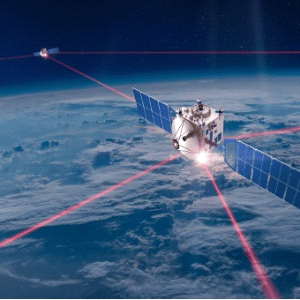
Market forecast by Region and Platform Type. Country Analysis, Market and Technology Overview including Critical Raw Materials, Opportunity Analysis, and Leading Company Profiles

Market forecast by Region, Type, Application, and End-User. Country Analysis, Market and Technology Overview including Critical Raw Materials, Opportunity Analysis, and Leading Company Profiles
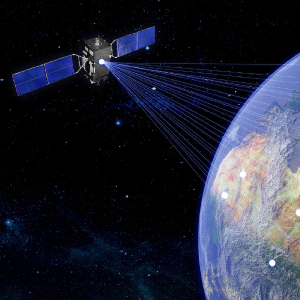
Market forecast by Region, Type, Application, and End-User. Market and Technologies Overview, Country and Impact Analysis, and Leading Companies

Market forecasts by Region, System, and End-User. Market and Technologies Overview, Critical Raw Materials, Country Analysis, Opportunity and Impact Analysis, and Leading Companies